
Pollution control encompasses the methods and technologies employed to reduce or eliminate the discharge of pollutants into the environment. For any business operating today, understanding and implementing effective pollution control measures is not merely an environmental obligation but a critical component of operational efficiency, regulatory compliance, and brand reputation. Neglecting these measures can result in substantial fines, legal action, and irreparable damage to public perception. This guide provides a foundational understanding of pollution control, its practical applications, and key considerations for businesses navigating increasingly stringent environmental landscapes.
Defining Pollution Control and Its Scope
Pollution control refers to the processes and strategies designed to minimize or prevent the emission of harmful substances and energy into air, water, and land. Its primary objective is to protect human health and ecosystems from the adverse effects of industrial, agricultural, and urban activities. The scope is broad, addressing various forms of contamination:
- Air Pollution: Involves controlling emissions of particulate matter, sulfur dioxide, nitrogen oxides, volatile organic compounds, and other hazardous air pollutants from industrial stacks, vehicles, and other sources.
- Water Pollution: Focuses on treating wastewater from industrial processes, municipal sewage, and agricultural runoff to remove contaminants before discharge into natural water bodies.
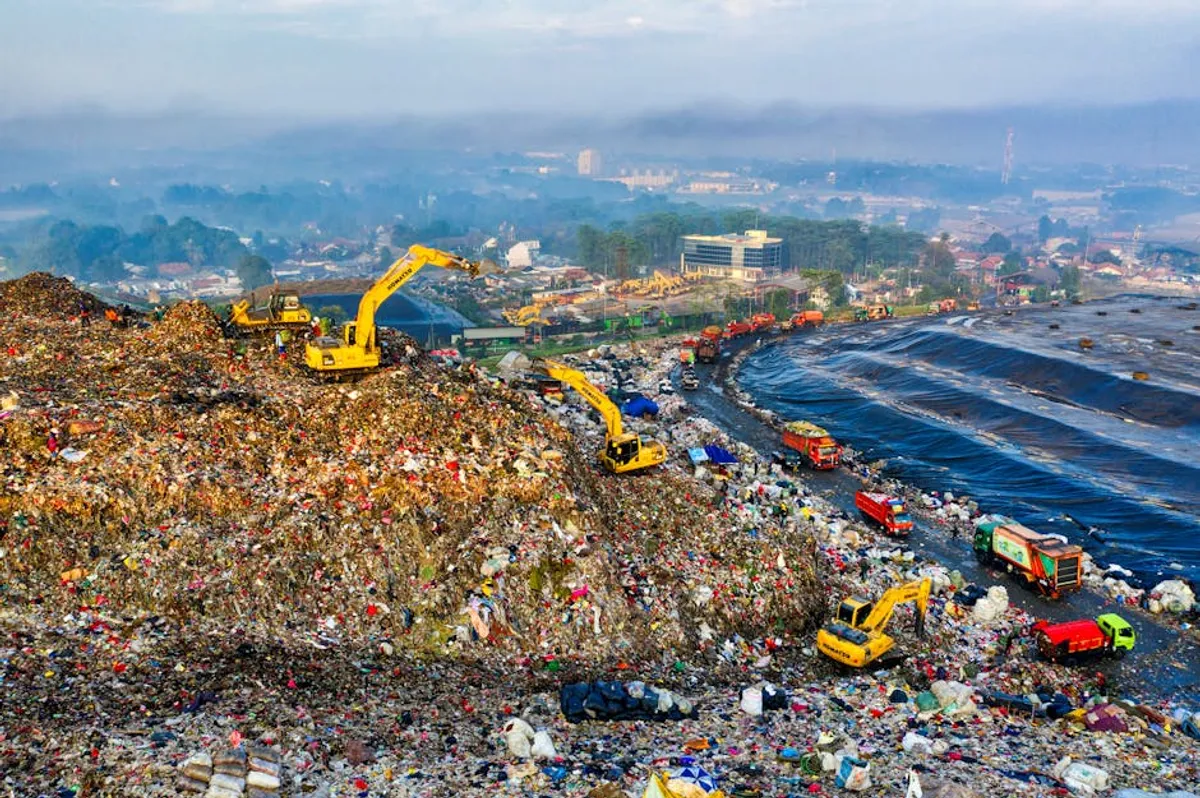
- Land Pollution: Deals with the proper disposal and treatment of solid waste, hazardous waste, and preventing soil contamination from spills or improper land use.
- Noise Pollution: Aims to reduce excessive or unwanted sound levels that can impact human health and wildlife, often through engineering controls and urban planning.
- Light Pollution: Involves managing artificial light to minimize adverse effects on ecosystems, human circadian rhythms, and astronomical observation.
Effective pollution control integrates prevention, reduction, treatment, and monitoring across all operational stages, from raw material sourcing to waste disposal.
Practical Examples of Pollution Control Across Industries
The application of pollution control technologies varies significantly depending on the industry and the specific pollutants generated. Here are concrete examples:
Air Pollution Control Technologies
Industrial facilities, power plants, and manufacturing operations often deploy sophisticated systems to manage airborne emissions:
- Scrubbers: These systems remove acidic gases (like SO2 and NOx) and particulate matter from exhaust streams by spraying them with a liquid absorbent or reagent. They are critical in coal-fired power plants and chemical processing.
- Electrostatic Precipitators (ESPs): Used to remove fine particulate matter from gas streams. ESPs charge particles, which are then attracted to oppositely charged collection plates, commonly found in cement factories and steel mills.
- Catalytic Converters: Essential in the automotive industry, these devices transform toxic pollutants (carbon monoxide, nitrogen oxides, unburnt hydrocarbons) in exhaust gases into less harmful substances (carbon dioxide, nitrogen, water vapor).
- Baghouses (Fabric Filters): These systems use large fabric bags to filter out dust and particulate matter from industrial gas streams, prevalent in woodworking, mining, and pharmaceutical manufacturing.
Water Pollution Control Technologies
Managing industrial and municipal wastewater is crucial for protecting aquatic ecosystems:
- Wastewater Treatment Plants: Employ a multi-stage process involving primary (physical removal of solids), secondary (biological degradation of organic matter), and sometimes tertiary (advanced filtration and disinfection) treatment to purify water before discharge.
- Oil-Water Separators: Used in industries like petroleum refining, manufacturing, and transportation to separate immiscible oil from water, preventing oil discharge into waterways.
- Constructed Wetlands: An ecological approach where engineered wetland systems use natural processes involving plants, soil, and microorganisms to treat wastewater or stormwater runoff.
Land and Waste Pollution Control
Minimizing the impact of solid and hazardous waste is a continuous challenge:
- Secure Landfills: Engineered facilities designed to contain waste, preventing leachate from contaminating groundwater and managing landfill gas emissions.
- Incineration with Energy Recovery: Controlled burning of waste at high temperatures, often used to reduce waste volume and generate electricity, with strict emission controls.
- Bioremediation: Utilizing microorganisms to degrade hazardous substances in contaminated soil or groundwater, offering an environmentally friendly cleanup method.
- Waste Minimization and Recycling Programs: Proactive strategies to reduce waste generation at the source and divert materials from landfills through reuse and recycling.
Pro Tip: The regulatory landscape for pollution control is dynamic, with standards frequently updated at local, national, and international levels. Businesses must maintain continuous vigilance on compliance requirements, as non-compliance can result in severe financial penalties, operational shutdowns, and significant reputational damage that far outweighs the cost of proactive implementation.
Guide to Implementing Effective Pollution Control for Businesses
Implementing a robust pollution control strategy requires a systematic approach, integrating environmental considerations into core business operations.
1. Comprehensive Environmental Impact Assessment (EIA)
Before any new project or significant operational change, conduct an EIA to identify potential pollutants, assess their impact, and determine necessary control measures. This proactive step helps in designing processes that minimize pollution from the outset.
2. Regulatory Compliance and Permitting
Identify all applicable environmental laws, regulations, and permits relevant to your operations. This includes air emission limits, wastewater discharge standards, waste management protocols, and chemical storage requirements. Secure all necessary permits before commencing operations and ensure ongoing adherence through regular audits.
3. Technology Selection and Investment
Invest in appropriate pollution control technologies that are effective for your specific pollutants and scale of operations. This may involve capital expenditure on new equipment, process modifications, or upgrading existing systems. Consider the long-term operational costs, maintenance, and energy efficiency of chosen solutions.
4. Operational Best Practices and Process Optimization
Implement operational changes that reduce pollution at the source. This includes:
- Resource Efficiency: Optimizing raw material usage, water conservation, and energy efficiency.
- Waste Minimization: Redesigning processes to generate less waste, promoting reuse, and facilitating recycling.
- Chemical Management: Substituting hazardous chemicals with less toxic alternatives where possible, and implementing strict handling and storage protocols.
5. Monitoring, Reporting, and Auditing
Establish robust monitoring systems to continuously track emissions and discharges. Regular internal and external audits are essential to verify compliance, identify areas for improvement, and ensure the effectiveness of control measures. Transparent reporting to regulatory bodies and stakeholders builds trust and demonstrates accountability.
6. Employee Training and Engagement
Ensure all employees, from management to front-line staff, are trained on environmental policies, procedures, and the proper operation of pollution control equipment. Employee engagement in environmental initiatives can foster a culture of sustainability and lead to innovative solutions.
Strategic Integration for Sustainable Operations
Pollution control is not an isolated function but an integral part of sustainable business operations. By proactively managing environmental impacts, businesses can achieve more than just compliance; they can enhance their brand value, attract environmentally conscious consumers and investors, reduce operational risks, and potentially unlock cost savings through efficiency gains. Continuous improvement, driven by data and evolving best practices, is key to maintaining environmental leadership and ensuring long-term viability.
Frequently Asked Questions
What is the primary goal of pollution control?
The primary goal of pollution control is to protect human health and the environment by minimizing or eliminating the release of harmful substances and energy generated by human activities into air, water, and land ecosystems.
How does pollution control benefit businesses beyond compliance?
Beyond regulatory compliance, businesses benefit from pollution control through enhanced brand reputation, increased operational efficiency leading to cost savings (e.g., waste reduction), reduced risk of liabilities and fines, improved employee morale, and access to green markets or financing.
What are common types of pollution addressed by control measures?
Common types of pollution addressed include air pollution (e.g., particulate matter, greenhouse gases), water pollution (e.g., industrial wastewater, sewage), land pollution (e.g., solid waste, hazardous waste), noise pollution, and light pollution.
Is pollution control only about "end-of-pipe" solutions?
No, pollution control has evolved beyond just "end-of-pipe" solutions (treating pollutants before discharge). Modern approaches emphasize pollution prevention and minimization at the source through process optimization, material substitution, and resource efficiency, alongside treatment technologies.